
Postdoctoral Training Programs
Clinical Neuropsychology Program
The Neuropsychology Program at UT Southwestern Medical Center offers postdoctoral training in adult neuropsychology. The Program is designed to prepare fellows to become well-rounded, board-eligible neuropsychologists using Houston/Minnesota Conference training guidelines. While there is an emphasis on clinical assessment, involvement in some of the many ongoing research projects in neuropsychology is expected. The fellowship offers exposure to a wide array of patient populations with known or suspected brain disorders and includes inpatient and outpatient settings throughout the medical center. Highlights of the program include a wide variety of supervisors, weekly educational opportunities that include neuropsychology didactics, a board certification course, brain cutting, teaching rotation, and tiered supervision. The orientation to neuropsychology reflects a combination of qualitative and quantitative approaches, using tailored assessments built around selected core measures.
- Overview
The Neuropsychology Fellowship is a non-match, 2-year, full-time (~2000 hrs/yr), post-doctoral fellowship, beginning annually in September, with a focus on assessment and protected time for research, with an emphasis on dementia and aging. Our primary objective for this graded fellowship is to offer training experiences culminating in a highly qualified, board-eligible neuropsychologist for practice and research in the care and treatment of patients with a variety of neurological conditions, with an emphasis on cognitive disorders of aging.
Fellows provide inpatient and outpatient neuropsychological services to a wide patient population, including dementia, epilepsy, brain tumors, aneurysms, strokes, head trauma, chronic pain, auto-immune disorders, movement disorders, psychiatric conditions, and a variety of other medical disorders.
Our clinical training model follows an evidence-based approach consistent with the traditional medical training model and Houston Conference and Minnesota Guidelines. Our fellows receive educational, observational, and experiential learning opportunities across various neurological populations. Our program meets all requirements for post-doctoral training and experience for licensure in Texas and board certification in Neuropsychology.
The primary clinical training site will be the UT Southwestern Neuropsychology Clinic, where fellows are involved in assessment, differential diagnosis, treatment planning, and conveying results to patients, their families, and referral sources. Fellows spend a percent of their time in educational and research activities, including attending various interdisciplinary clinical conferences, such as in the UT Southwestern ADRC, staffing for diagnosis and research participation, clinicopathologic correlation meetings and brain cutting, clinical trial updates, and research meetings, with dedicated time to develop and pursue individual research. Additionally, fellows participate in rotation-based conferences, such as a neuromodulation conference for deep brain stimulation of patients with movement disorders, neurovascular conference through neurosurgery, and epilepsy surgery conferences in which fellows present cases and are exposed to various neurodiagnostic techniques.
Additional rotations and training sites include inpatient neuropsychological and neurobehavioral consultation at William P. Clements Jr. University Hospital, Normal Pressure Hydrocephalus (NPH) Clinic, where fellows conduct pre/post NPH drain evaluations, outpatient behavioral neurology clinic, and pre-surgical cognitive evaluations for various neurosurgical populations.
Neuropsychology and neurology faculty supervise clinical work from a variety of perspectives. Fellows receive a minimum of 2 hours of face-to-face supervision per week, often more, and supervisors evaluate fellows via a standardized evaluation form twice per year. The training director conducts a formal review at the end of each year of the fellowship to examine progress on goals and opportunities for growth. Grievance and disciplinary procedures follow policies outlined by the UT Southwestern Medical Center Graduate Medical Education office.
- Goals
Fellowship goals supporting foundational and functional neuropsychological competencies, include demonstration of:
- Advanced knowledge of functional neuroanatomy, dementia, and related fields of study
- Advanced neuropsychological assessment and interpretation skills, including use of interpreters
- Ability to communicate with patients and families about their diagnosis and cognitive abilities
- Intervention skills to enhance patient cognitive compensation strategies
- Ability to work with multidisciplinary teams
- Ability to convey empirical knowledge to lay and professional audiences via presentations and peer-reviewed publications
- Experience and training in grant writing
- Teaching and supervision skills with graduate students and junior fellows
- Scope
Rotations
Individual rotations vary depending on training, experience, and areas of interest, for example:
- Outpatient Neuropsychology Clinic
- Neuromodulation/Deep Brain Stimulation
- Epilepsy
- Inpatient/Outpatient Neurosurgery/Normal Pressure Hydrocephalus
- Inpatient Neuropsychological Consult Service
- Outpatient Behavioral Neurology
- Sports Concussion
- Teaching/Supervision
Didactics
Through observation and individual training, fellows receive exposure and applicable instruction in neuropsychology, other neurodiagnostic techniques, and behavioral neurology via:
- Weekly Neuropsychology Training Seminar
- ABPP prep course (meets twice/month for 2 years)
- Neuropsychology Case Conference (meets twice)
- Weekly brain cutting
- ABPP prep course (meets twice/month for 2 years)
- Grand Rounds from Departments of Psychiatry and Neurology (weekly)
- ANST specialty lectures in conjunction with doctoral program
- O’Donnell Brain Institute Lectures
Research
We encourage fellows to develop their unique line of research with guidance. Fellows have access to large databases and receive protected research and education time. They are expected to actively engage in research, submitting work for presentation at conferences and for peer review, with at least one first-authored presentation and publication submitted per year and submission of at least one grant application by the end of fellowship. Opportunities for involvement in new grant applications involving our multidisciplinary faculty are provided, and consultation on statistics and grantsmanship is available.
Example opportunities:
- Risk factors for dementia
- Neuromodulation as a treatment for MCI/dementia
- Linguistic/speech analysis for detection of cognitive impairment and predict progression
- Dementia risk in psychiatric populations
- Test development and norms
- Dementia phenotypes
- Impact of head trauma on later cognitive impairment
- Cardiovascular risk factors and cognitive impairment in diverse samples
Community Engagement
Our fellows function as an integral part of the Alzheimer’s Disease Research Center, funded by the UT Southwestern National Institute on Aging, and provide community talks related to Alzheimer’s disease and related disorders and outreach related to brain injury.
Teaching/Supervision
The second year of the fellowship includes a teaching rotation in which fellows are responsible for supervising a graduate student, teaching a neuropsychological assessment lab to doctoral psychology students, and teaching various classes and lectures at the graduate level.
- Applications
Applicants are expected to have completed a doctoral degree in psychology including a pre-doctoral internship from an American Psychological Association approved program with an emphasis in neuropsychology.
Interested individuals should laura.lacritz@utsouthwestern.edu Laura Lacritz, Ph.D., ABPP, Neuropsychology Training Director, a single PDF combining: a) statement of interest; b) CV; c) writing sample; d) transcript (can be unofficial); and e) verification of expected degree completion.
Applications also must arrange for 3 letters of recommendation to be emailed directly to Dr. Lacritz (email linked above).
The annual application deadline is December 15. Interviews are conducted virtually in December or January.
- Salary, Benefits, and Outcomes
Salary
Our competitive salary is approximately $62,000 in year 1, with a slight increase in year 2, in keeping with the levels of the National Institutes of Health (NIH).
Benefits
Fellows receive full health care coverage (medical, dental, vision benefits available) and have access to the Bryan Williams, M.D., Student Center, Resident Wellness and Counseling, as well as to the Office of Institutional Opportunity, Career Development Services, and Academic Support Services.
Fellows also receive retirement benefits with cost sharing, generous vacation accrual (paid leave and parental leave options), and support toward travel expenses to a national conference, as well as access to online journals, test databases, and scoring software.
Dallas life features culture (around 7 million residents), restaurants (more per capita than New York City), entertainment, art (America's largest art district), outdoor activities (~232 sunny days/year), sports (five professional teams), music, and much more, with a reasonable cost of living.
Outcomes
- Advanced neuropsychological assessment, diagnosis, evidence-based intervention, teaching, and supervision competencies consistent with Houston/Minnesota Conference Guidelines
- Experience serving diverse populations through culturally responsive assessment skills
- Ability to communicate with patients and families about their diagnosis and cognitive abilities
- Readiness for independent practice and ABPP-CN board certification
- Scholarly presentations, publications, or programmatic research contributions
- Recent attainment of clinical neuropsychologist positions in academic medical centers, hospital systems (of geographical choice), private and forensic practices
- Experience and training in grant writing
- Teaching and supervision skills with graduate students and junior fellows
Past fellows have obtained academic faculty appointments and secured funding through NIH, state, and local sources of support.
- Faculty
Fellowship Faculty Leaders
Laura Lacritz, Ph.D., ABPP
Director, UT Southwestern Neuropsychology, Neuropsychology Training Director
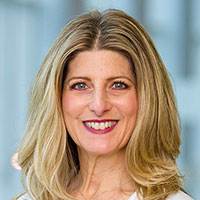
Dr. Lacritz is a Professor in the Departments of Psychiatry and Neurology, Director of Neuropsychology, and the Division Chief of Psychology. She is a Fellow of the National Academy of neuropsychology and the American Psychological Association Division 40. Her research has focused on novel methods to advance early detection of mild cognitive impairment and dementia, with particular emphasis on Alzheimer’s disease and movement disorders. This includes using linguistic and cognitive biomarkers for detection of cognitive impairment, and identifying methods to predict progression of impairment and long-term outcomes. Service to the profession and mentorship have been cornerstones of her career. She served on the National Academy of Neuropsychology (NAN) Board of Directors for 8 years, including as President (2015-2016) and Treasurer (2011-2013). She established the NAN Leadership and Ambassador Development (LEAD) program in 2018. Dr. Lacritz was recognized in 2020 with the NAN Distinguished Service Award, and has received many other service and teaching awards, including the 2024 UT Southwestern Excellence in Leadership Award for Mentoring.
Caitlin Reese, Ph.D., ABPP
Neuropsychology Assistant Training Director

Dr. Reese is board certified in Clinical Neuropsychology and a Clinical Assistant Professor in the Department of Psychiatry. As the Neuropsychology Assistant Training Director, she mentors and supervises trainees at the graduate, intern, and fellowship level. She is also active in clinical practice, teaching, peer-mentorship, and research. Relevant training has included an undergraduate major in psychology and minor in neuroscience (Miami University), master’s degrees in clinical psychology and forensic psychophysiology, doctoral internship (neuropsychology track) at the Minneapolis VAMC, and two-year postdoctoral residency in clinical neuropsychology at the Baylor Institute for Rehabilitation. Research interests have primarily focused on performance validity.
C. Munro Cullum, Ph.D., ABPP
Vice Chair, Psychology, Research Supervisor
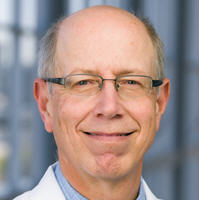
Dr. Cullum is a Professor in the Departments of Psychiatry, Neurology, and Neurological Surgery. He is Vice Chair, Psychology, in the Department of Psychiatry and holds the Pamela Blumenthal Distinguished Professorship in Clinical Psychology. He is the Senior Neuropsychologist of the O’Donnell Brain Institute and primary investigator of Concussion-Texas (ConTex), serves as the Scientific Director of the Texas Alzheimer's Research and Care Consortium, and is the Clinical Core Co-leader in the UT Southwestern Alzheimer's Disease Center. He is a past president of the Society for Clinical Neuropsychology, the National Academy of Neuropsychology, and the Sports Neuropsychology Society. He is actively involved in research, teaching, and mentorship in neuropsychology. His research includes investigations into short- and long-term effects of concussion and early detection and differential diagnosis of neurodegenerative conditions of aging.
Robert Ruchinskas, Psy.D., ABPP
Clinical Supervisor

Dr. Ruchinskas is a Professor in the Department of Psychiatry. He is board certified in both Clinical Neuropsychology and Rehabilitation Psychology and a Fellow of both the American Psychological Association and the National Academy of Neuropsychology. His clinical expertise is in neuropsychological assessment, with particular interest in working with individuals who have dementia. His research interests focus on differentiating normal from abnormal aging, ethical issues in aging, and coping with chronic diseases.
Deborah González, Psy.D.
Clinical Supervisor

Dr. González is an Assistant Professor in the Department of Psychiatry. She is a clinical supervisor and organizes the neuropsychological trainee didactic seminar. She specializes in epilepsy, mild cognitive impairment, dementia, and other cognitive disorders, with an emphasis on bilingual assessments. Dr. González earned her master’s degree in psychology and her doctoral degree in clinical psychology with an emphasis in neuropsychology at Albizu University in Miami, Florida. She completed a postdoctoral fellowship in neuropsychology at the Montefiore Medical Center in the Bronx, New York.
Kaltra Dhima, Ph.D., ABPP
Clinical Supervisor

Dr. Dhima is Board Certified Clinical Neuropsychologist (ABPP-CN) and Assistant Professor who provides clinical and research supervision. She is a graduate of the UT Southwestern Medical Center at Dallas - Doctoral Clinical Psychology program and completed the Cleveland Clinic - Clinical Neuropsychology Postdoctoral Fellowship. Her research has focused on clinical presentations and neuromodulation for treatment of movement disorders.
Ivan Rodriguez-Flores, Psy.D.
Clinical Supervisor

Dr. Rodriguez-Flores is a bilingual clinical neuropsychologist (English/Spanish), and has clinical experience across different ambulatory settings, such as behavioral health clinics, psychological services integrated in primary care, and memory disorder clinics. Additionally, he has clinical experience working in different inpatient settings, including neurorehabilitation units, assisted living and skilled nursing facilities, and psychiatric units. Dr. Rodriguez-Flores provides practices in the outpatient Neuropsychology Service and inpatient consult service where he also provides clinical supervision.
Jeff Schaffert, Ph.D.
Clinical and Research Supervisor

Dr. Schaffert is an Assistant Professor of Psychiatry and oversees research development in the fellowship. He completed his doctoral and fellowship training at UT Southwestern Medical Center. Clinically, he sees outpatients in the UT Southwestern Neuropsychology Clinic and inpatients at Clements University Hospital. He has published on risk factors of Alzheimer's disease and related dementias, but his primary research interest relates to impact of head-injury exposure and later-in-life cognitive decline and cognitive phenotypes of normal pressure hydrocephalus.
Christian LoBue, Ph.D.
Research Collaborator

Dr. LoBue is an Associate Professor in the Departments of Psychiatry, Neurology, and Neurological Surgery who completed his doctoral and fellowship training at UT Southwestern Medical Center. He specializes in neuropsychological assessment and management of behaviors related to concussion, more severe traumatic brain injury, Alzheimer’s disease and related dementias, and cerebrovascular disorders. His research interests focus on informing what role traumatic brain injuries, including concussions, may play in developing cognitive problems later in life and investigating noninvasive brain stimulation as a potential treatment for the cognitive problems associated with neurodegenerative disorders. Dr. LoBue has received research funding from the Alzheimer’s Association, Department of Defense, NIH, and other organizations. He serves as an editorial board member for Frontiers in Psychiatry, a committee member of the Research and Editing Consulting Program of the International Neuropsychological Society, and a grant reviewer for the Alzheimer's Association and on the research grants panel of the National Academy of Neuropsychology.
William Goette, Ph.D.
Research Collaborator

Dr. Goette is an Assistant Professor in the Department of Psychiatry. He earned his Ph.D. in clinical psychology and completed his postdoctoral fellowship in neuropsychology at UT Southwestern Medical Center. Clinically, Dr. Goette provides neuropsychological consult services for Clements University Hospital and sees patients in the outpatient Neuropsychology Clinic. His clinical approach integrates health psychology with neuropsychology to promote healthy aging by addressing the interplay of physical, cognitive, and psychological well-being. Dr. Goette's research focuses on the development of new psychometric methods and assessment measures that can improve the early detection of Alzheimer's disease and related dementias.
Postdoctoral Fellowship in Pediatric Neuropsychology at Children’s Health℠
The Postdoctoral Fellowship in Pediatric Neuropsychology at Children’s Health℠ provides training in culturally informed neuropsychological evaluation of children and adolescents with a wide range of medical conditions that impact the central nervous system.
Learn more at the Children’s Health℠ webpage for Clinical Neuropsychology
Psycho-oncology Post-doctoral Fellowship
UT Southwestern Simmons Cancer Center, an NCI-designated institute, offers a supervised, 12-month, post-doctoral fellowship in Psycho-oncology. The Psycho-oncology team at UT Southwestern Simmons Cancer Center places a high value on treating the mental health needs of cancer patients within the context of academic medicine. Fellows receive specialization training in all facets of Psycho-oncology, including assessment, intervention, interdisciplinary consultation-liaison work, didactic instruction within and outside psycho-oncology, supervision training, collaboration with oncology specialties including outpatient palliative care, and psycho-oncology research. Training in multicultural assessment and empirically supported treatments are emphasized, including Cognitive Behavioral Therapy, Acceptance and Commitment Therapy, Meaning-Centered Psychotherapy, Supportive Psychotherapy, and Brief Dynamic Therapy. Opportunities to engage in Group Therapy modalities are also available.
- Training Opportunities
- Provision of direct clinical services (in-person and via telehealth), including consultation and triage, diagnostic intake assessments, both brief and longer-term psychotherapy, group therapy, and crisis intervention, within an NCI-designated cancer center
- Frequent opportunities to consult with allied health professionals, such as Oncology Palliative Care and the UTSW Addiction Psychiatry Clinic and Complex Pain Clinic, among others
- Opportunities to work with patients from diverse cultural backgrounds involving complex, intersecting diversity factors, such as cancer patients from rural communities in Texas who often experience substantial barriers to treatment due to physical isolation and low SES
- Participation in weekly administrative team meetings, weekly case consultation meetings, didactic training, and other multidisciplinary meetings as needed
- 2 hours minimum of weekly supervision by faculty supervisor, including the opportunity to receive supervision-of-supervision of established doctoral practicum students and/or interns. The team prioritizes structured, formal feedback of clinical skills with supervision aimed at deep conceptualizations of patients and their symptoms. Psycho-oncology faculty currently include 4 full-time psychologists, all of whom are interested in mentorship and support for the postdoc
- Supervision training opportunities, via interactions with interns that are part of our captive APA-accredited Internship program and/or practicum students in our APA-accredited Clinical Psychology Doctoral program
- Opportunities for clinical program development (e.g., building group therapy treatment options, improving systems to address care access concerns)
- Administrative duties as assigned, including patient triage and brief consultation and refining timely documentation practices in the electronic medical record (EPIC)
- Encouragement to participate meaningfully in our established, tiered Psycho-oncology research team, composed of faculty and graduate dissertation students and both graduate and undergraduate research assistants, with opportunities for presentation, publication, and mentorship
- Teaching and guest lecturing opportunities within the Division of Psychology, Department of Psychiatry, Cancer Center, and/or other UTSW or local organization outlets
- Access to multiple educational and employee support opportunities through UTSW (e.g., multiple grand rounds, wellness events, specialty celebrations, discounts for local products and entertainment events)
- Typical Schedule
- 40 hours per week, primarily onsite at two UTSW cancer treatment centers, located in Dallas and Fort Worth
- Approximately 70% of time spent in direct clinical care activities (including documentation and consultation) and would include a combination of therapy intake sessions, brief consultations, individual therapy, and, on occasion, psychological testing, which is typically reflected in 20-25 scheduled hours of direct clinical care per week
- The remaining 30% of time is intended for research, program development, continuing education, supervision training, and/or teaching activities, depending on the fellow’s specialty interests
- Requirements
- Applicants must be current Ph.D. or Psy.D. candidates in good standing, with an anticipated degree completion date of August 2026, including completion of dissertation well in advance of the post-doctoral fellowship start date
- Prior training experience in health psychology and/or medical settings (oncology-specific experience is desired but not mandatory)
- Future career interests in academic medicine and/or research interests in health/medical psychology are preferred
- Applicants with a doctoral degree award date of August 2026 or later should obtain a letter of attestation from the college Dean stating that the applicant has completed all the degree requirements
- Experience with providing diagnostic assessment and brief, empirically supported therapy
- Commitment to providing multicultural counseling and conceptualizing from multiple perspectives
- Ability to work collaboratively with a diverse population of patients, families, and medical team professionals
- Dedication to learning about the field of Psycho-oncology within academic medicine
- Application Process
The 12-month term position will begin approximately Tuesday, September 1, 2026 (flexible start date), and finish August 31, 2027.
- Applications are accepted on a rolling basis beginning December 1, 2025.
- Interested individuals should prepare:
- current CV
- cover letter that includes a statement of interest
- 3 letters of reference:
- 1 from the current clinical training director of the graduate program
- 1 from a clinical supervisor at a medical/health-oriented rotation
- 1 from a current internship supervisor
- Email these items to Laura Howe-Martin (Laura.Howe-Martin@utsouthwestern.edu).
UT Southwestern Medical Center is committed to an educational and working environment that provides equal opportunity to all members of the University community. In accordance with federal and state law, the University prohibits unlawful discrimination, including harassment, on the basis of race; color; religion; national origin; sex, including sexual harassment; age; disability; genetic information; citizenship status; and protected veteran status. In addition, it is UT Southwestern policy to prohibit discrimination on the basis of sexual orientation, gender identity, or gender expression
- Benefits
- Salary competitive with current NIH post-doctoral fellowship funding standards (approximately $62,000)
- Financial stipend ($1500) for conference travel and/or continuing education, as well as 7 full workdays of allocated leave time for professional development
- Access to full-time employee benefits, including access to employee health insurance, dental/vision, retirement options, paid vacation/sick leave, employee discounts, and wellness benefits, among other benefits (e.g., UTSW employee benefits)
- UTSW is a designated non-profit institution that may qualify as a valid employer for individuals seeking certain types of Public Student Loan Forgiveness
- Multiple opportunities to apply for open psychology faculty positions at UT Southwestern after completion of post-doctoral year
- Protected time to pursue licensure and/or board-certification process
- Living in the vibrant and diverse urban metroplex of Dallas/Fort Worth
- Faculty

Clinical Assistant Professor

Professor

Clinical Assistant Professor

Assistant Professor
- Additional Information
Molin Shi, Ph.D., Assistant Professor of Clinical Psychology at UT Southwestern, talks about the focus within psycho-oncology to address the unique needs of adolescents and young adults with cancer.
 Molin Shi, Ph.D., Hailey Umosen, M.S.W., Laura Howe-Martin, Ph.D., Ashley Neduvelil, Ph.D., and Tyler Evans, Ph.D.
UT Southwestern and Children’s Health℠ Center for Autism Care Postdoctoral Fellowship in Clinical Child Psychology
The Center for Autism Care Postdoctoral Fellowship provides a comprehensive interdisciplinary training experience in caring for children with autism spectrum and related neurodevelopmental disorders and their families. Training opportunities include multidisciplinary evaluation and treatment services, including providers from the following disciplines: psychology, psychiatry, neurodevelopmental neurology, speech pathology, behavior analysis, and social work.
- Overview
The fellowship is a one-year full-time position, beginning annually in September. The focus of the position is diagnostic evaluations of children suspected of having autism spectrum disorder and provision of treatment services to children and adolescents who have an autism spectrum disorder and/or comorbid emotional/behavioral concerns. Training experiences are tailored to fellows’ experiences, interests, and training goals, though a special focus is placed on early diagnosis of children (0-3 years of age). Additional opportunities, based on fellow interest and clinic needs, include leading evidence-based parent training groups, social skills groups for adolescents with autism spectrum disorder, and provision of supervision to trainees.
In addition to provision of direct services, fellows will participate in weekly individual supervision with a licensed psychologist, weekly didactic lessons and group supervision with the Children’s Health postdoctoral fellow cohort, and consultation with interdisciplinary team members (e.g., psychiatry, neurodevelopmental neurology, speech pathology, behavior analysis, and social work). Additional research experiences are available based on fellow interests.
- Applications
Applicants must hold a Ph.D. or Psy.D. in clinical psychology or school psychology from a program accredited by the American Psychological Association and hold (or be eligible for) a provisional license in Texas. Clinical experience working with children and adolescents with autism spectrum disorders is preferred, as is familiarity with the use of gold standard diagnostic tools (e.g., ADOS-2; ADI-R).
Interested applicants should submit:
- Letter of application
- Curriculum vitae
- De-identified sample report
- Names and contact information of three references
All application materials should be submitted by December 1 to Dr. Katherine Bellone Mount, by post to the following address or by Katherine.Bellone@UTSouthwestern.edu. Interviews will be offered virtually on a rolling basis, as applications are received.
Katherine Bellone Mount, Ph.D., BCBA
Director of Psychological Services
Center for Autism Care Department of Psychiatry
UT Southwestern Medical Center
1341 W Mockingbird Lane
Suite 240W
Dallas, Texas 75247UT Southwestern Medical Center is an Affirmative Action/Equal Opportunity Employer. Women, minorities, veterans and individuals with disabilities are encouraged to apply.
- Salary and Benefits
The salary is commensurate with the NIH Postdoctoral Fellowship guidelines and as such varies yearly. Fellows receive healthcare coverage, retirement benefits with cost sharing, accrued vacation days, and observance of federal holidays.
- Faculty
Faculty within the Center for Autism Care include interdisciplinary providers in psychology, psychiatry, and neurodevelopmental neurology. The psychology team is comprised of the faculty members listed below and will be the direct supervisors for Postdoctoral Fellows.

Katherine Bellone Mount, Ph.D., BCBA
Clinical Associate Professor

Clinical Assistant Professor

Clinical Assistant Professor

Clinical Assistant Professor

Clinical Assistant Professor

Clinical Assistant Professor
Postdoctoral Fellowship in Clinical Child Psychology
The Postdoctoral Fellowship in Clinical Child Psychology at Children’s Health℠ Children's Medical Center Dallas provides training in clinical child psychology with experiences in eating disorders, outpatient psychology, and pediatric health psychology.
Learn more at the Children’s Health℠ webpage for Clinical Child Psychology