
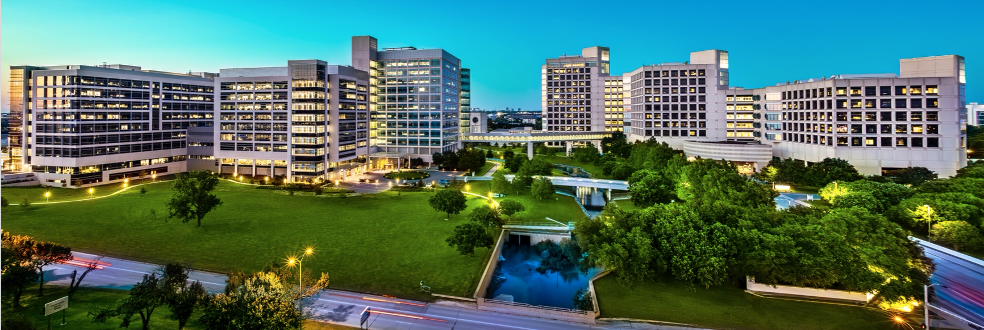
Perot Family Scholars Medical Scientist Training Program (MSTP)
About the Program
Funded continuously since 1982 | Supported by the Perot Family Scholars Program Fund
The Perot Family Scholars MSTP at UT Southwestern Medical Center trains physician–scientists to build independent, impactful research careers driven by insights from human biology and disease. The unique confluence of groundbreaking science and outstanding clinical training at an institution with a special emphasis on physician scientists makes UT Southwestern an exceptionally unique environment for training future leaders in science and medicine.
Our Mission
To train physician–scientists who lead innovative research programs, translate discovery to patient care, and shape the future of medicine through scientific leadership.
Our Training Pillars
Deep, Individualized Research Mentorship
Train with world-class faculty to develop an independent research vision across basic, translational, and clinical science.
Exceptional Clinical Training
Hands-on training at Parkland Memorial Hospital, Clements University Hospital, and the Dallas VA, offering unmatched breadth of patients and disease.
Physician–Scientist Identity & Community
A collaborative environment that fosters mentorship, leadership development, and lifelong professional networks.
Our Success
High-impact research
Publications in leading scientific journals during training
80% alumni success
Graduates thrive in academia, biotech, and industry
Top-tier residency match
Strong placement at elite residency and PSTP
Competitive fellowships
High rates of external fellowship funding
Distinctive Features
- Research
- Structured Mentoring
Programmatic mentorship across research and clinical training, including grant writing, career development, and transitions between PhD and clinical years.
- Physician-Scientist Community
Small, faculty-led MSTP Firms connect students across all program years, providing personalized mentorship and fostering professional identity as physician–scientists
- Clinical Training
Parkland Memorial Hospital is a true gem for medical students, offering unparalleled hands on experiences at a safety-net hospital.
- Curriculum
A carefully integrated MSTP curriculum designed to:
- Structure mentorship by MSTP leadership on lab selection
- Support seamless transitions between PhD and clinical years
- Provide grant-writing and career development training
- Maximize protected time for research
- Life in Dallas
Dallas offers affordable living, vibrant arts and food scenes, diverse communities, and direct access to major travel hubs.
Meet Some of Our Students
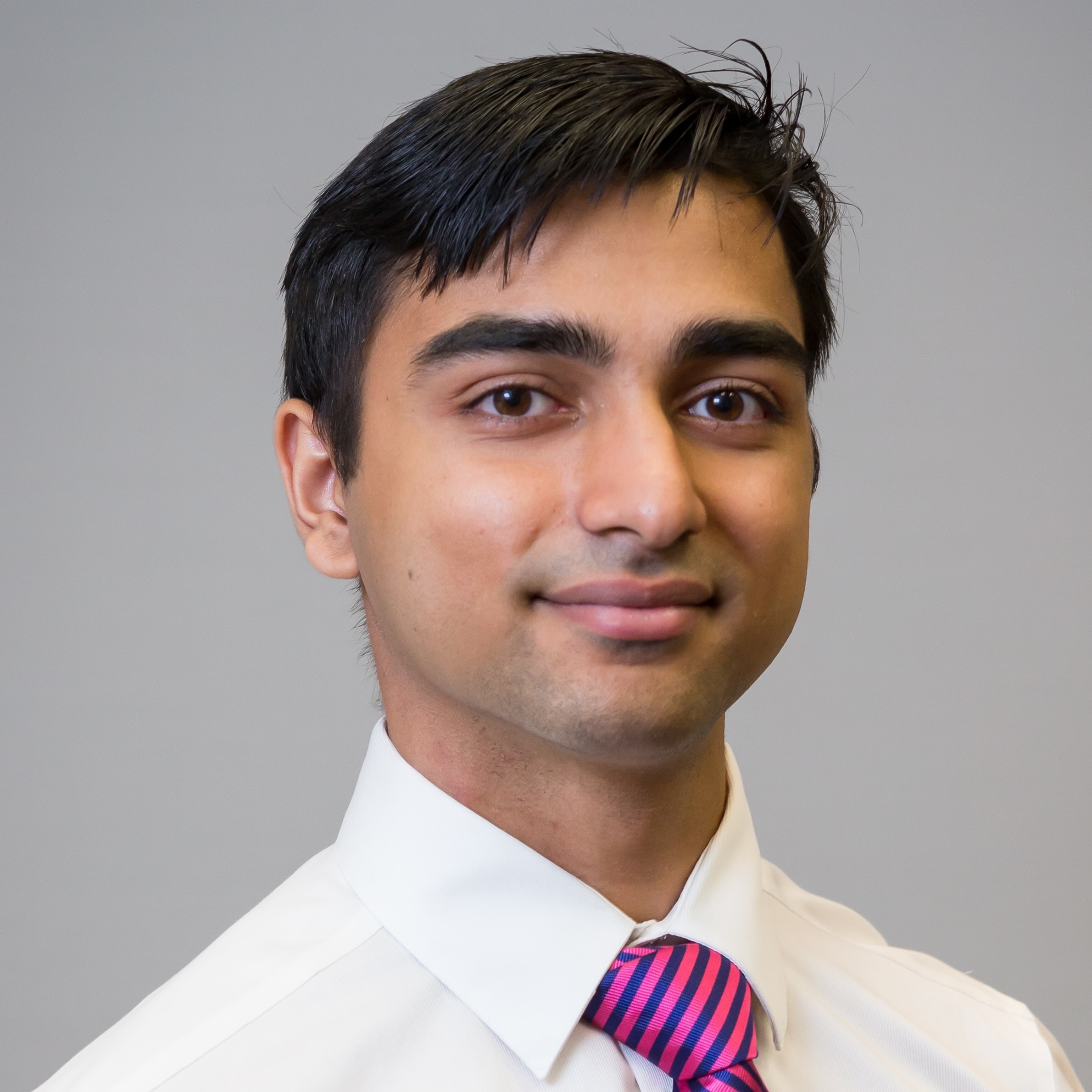
“As a school built by physician-scientists, UT Southwestern offers a unique MSTP experience. Everyone—from basic science department chairs to clinical department chiefs—is invested in training the next generation of physician-scientists. Through the MSTP, students hone their leadership skills, receive targeted 1:1 mentorship, and join a thriving community. Ultimately, seeing the program’s growth throughout my seven years as a student is a testament to a receptive leadership and a collective drive to innovate amidst the modern challenges of physician-scientist training.”
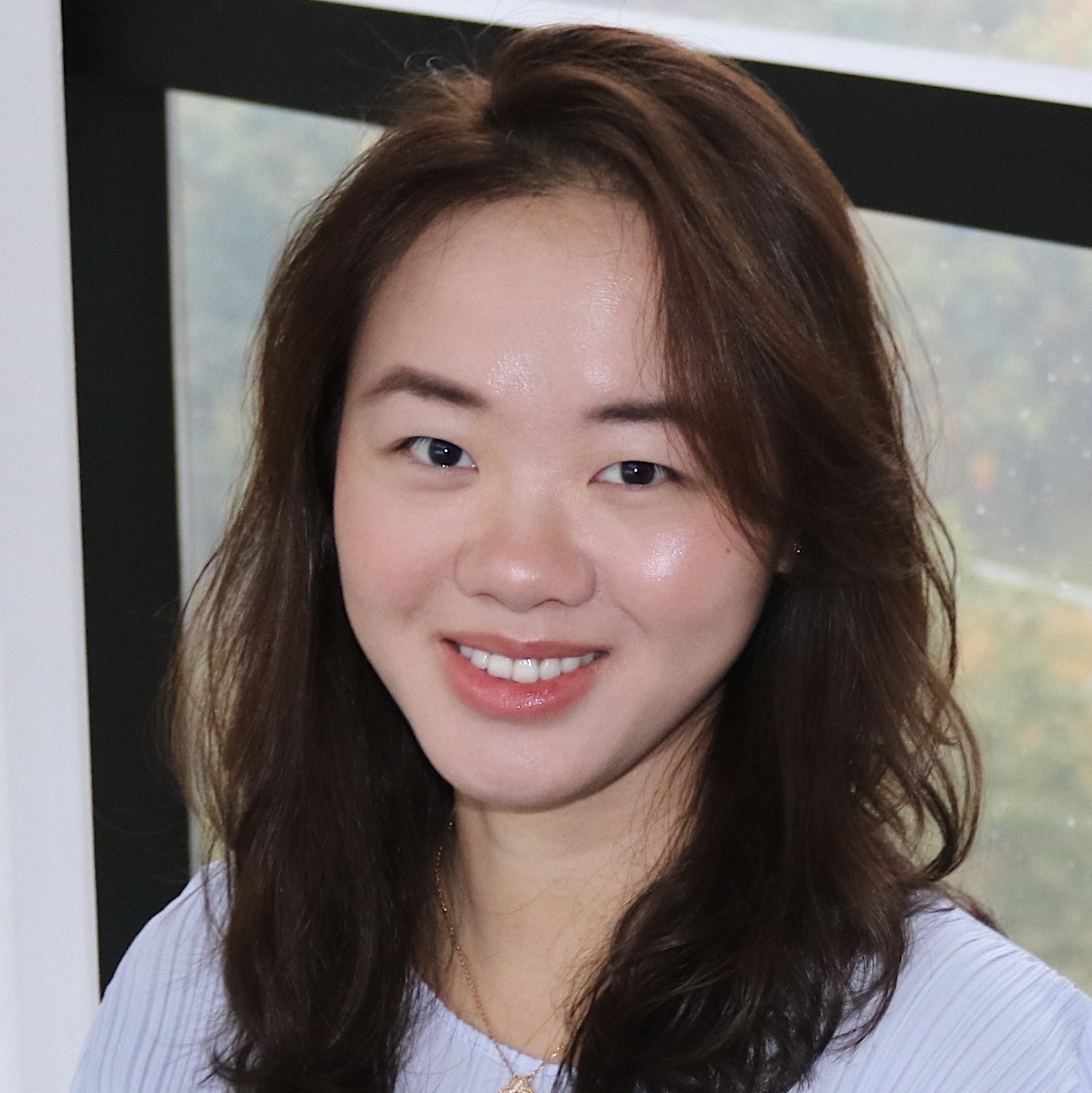
“The MSTP at UTSW has been an exceptional place to train to become a physician scientist. The research environment is outstanding, with a strong emphasis not only on discovery, but also on developing rigorous and independent scientific thinking, ultimately shaping how I approach both science and medicine. What makes the program especially special is its close knit and supportive community. We are able to openly discuss ideas, receive thoughtful feedback, and benefit from mentorship by physician scientists with diverse clinical and research interests. On the clinical side, training at Parkland, Clements, and the VA encourages responsibility and integration into the care team, building confidence and preparing us well for the next stage of training. It is rare to find a program that excels in both scientific and clinical training while also meaningfully integrating the two, but the UTSW MSTP achieves this exceptionally well.”
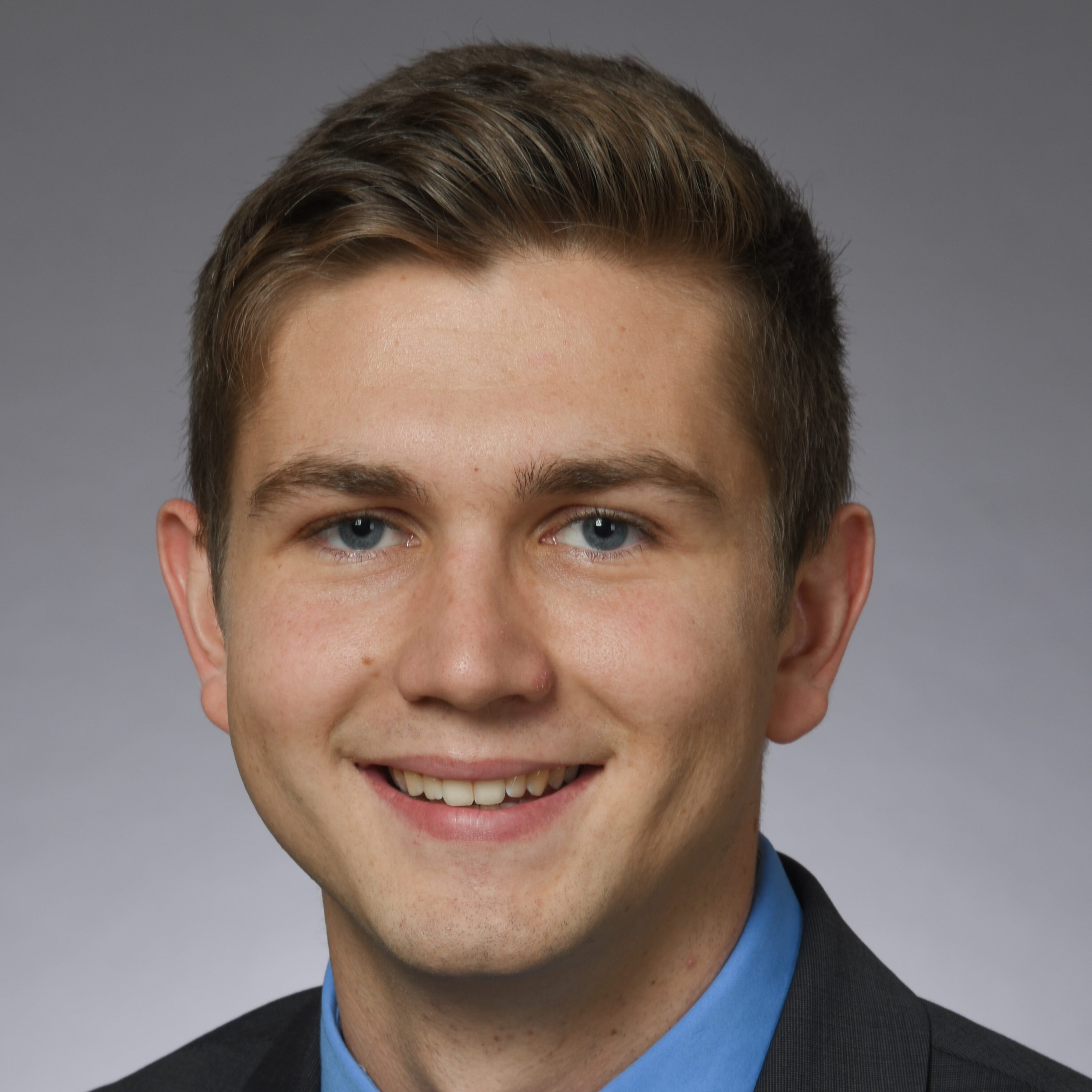
“While physician-scientists are becoming increasingly rare, their unique ability to bridge bench and bedside and drive meaningful medical advances remains as valuable as ever. Supporting and training physician-scientists is truly central to the ethos of UT Southwestern. The world-class research community —demonstrated by the concentration of HHMI investigators and members of the National Academy of Sciences— is strengthened by a uniquely collaborative culture on campus. My own network of mentors at UTSW grew organically from informal conversations about my work that were met with genuine curiosity and thoughtful guidance. The discoveries I made during my Ph.D. were made possible in no small part by the culture of sharing preliminary data early and often. This exceptional research environment is matched by the equally outstanding clinical training at Clements University Hospital and Parkland Memorial Hospital. Parkland, in particular, holds a special place in my heart, as it offers an opportunity to deliver excellent care to uninsured and underinsured patient populations in a state-of-the-art facility.”
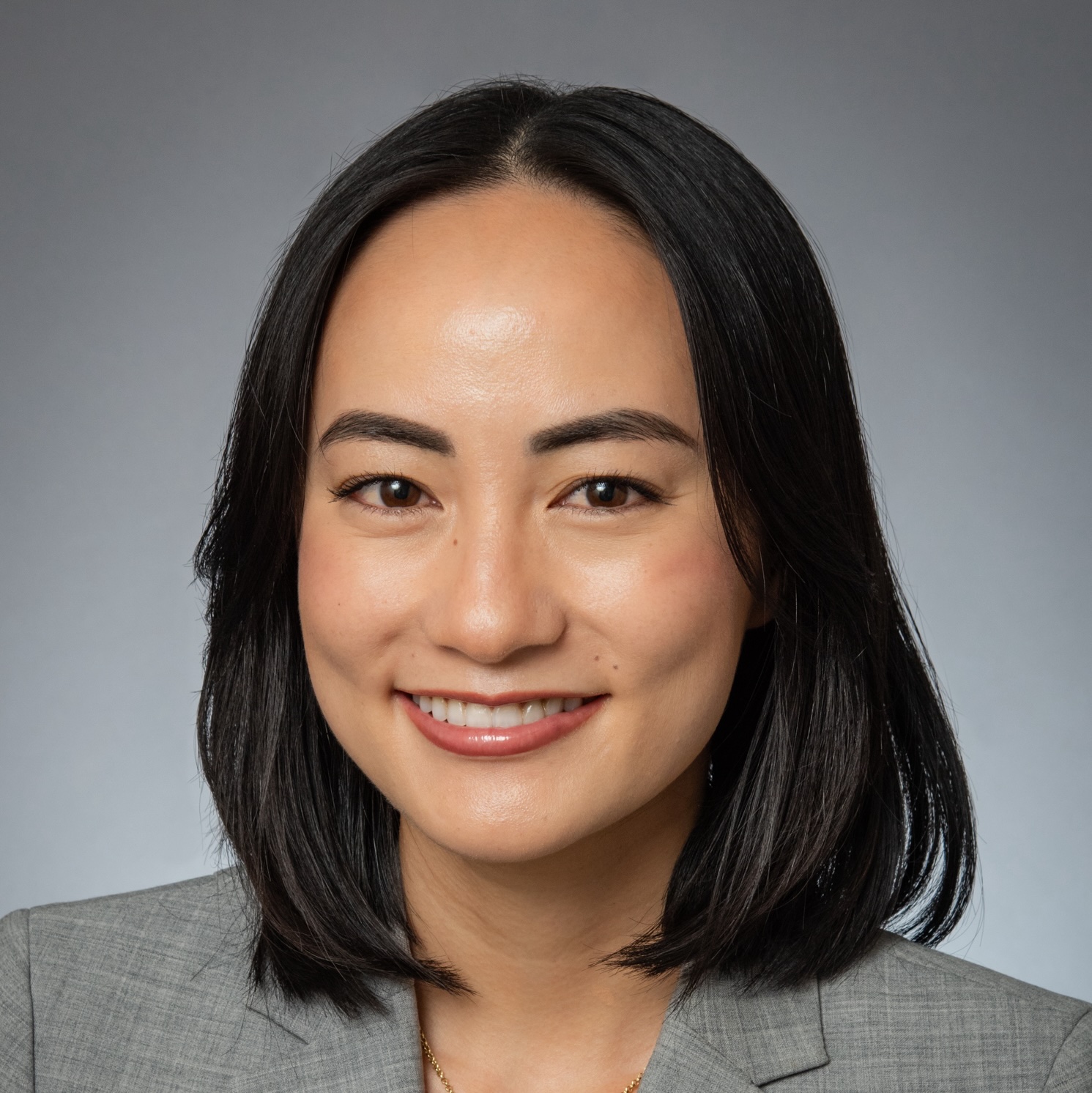
“UT Southwestern’s MSTP is distinguished by its exceptionally supportive leadership and truly remarkable breadth of research opportunities available. I’ve been able to grow so much as a scientist through access to outstanding research mentors and diverse research opportunities. Program leadership has been consistently supportive, approachable, and invested in my development at every stage of training. The strength of UT Southwestern’s clinical training has helped me feel prepared for my next steps into residency and beyond. Additionally, the MSTP community has provided me with lifelong friendships and support!”
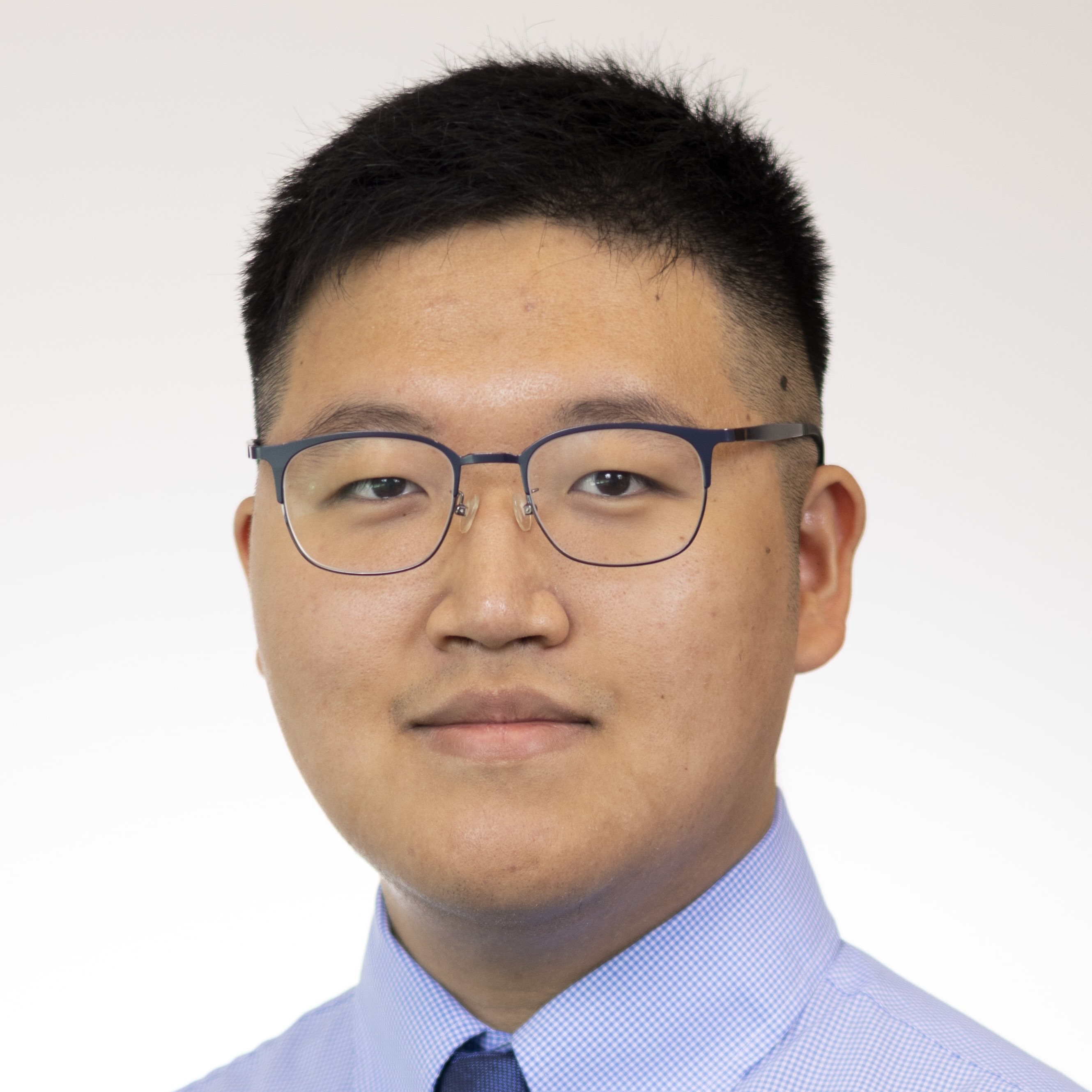
“The Medical Scientist Training Program at UTSW provides an excellent environment for pursuing a career in both science and medicine. Beyond the rigorous and rewarding medical training and the depth and breadth of both basic and translational research, I have found a community that is highly collaborative and filled with individuals who are passionate about mentoring the next generation of physicians and scientists. With such help and the wealth of opportunities at UTSW to explore new interests, the last few years have been an exciting and enriching experience for me.”
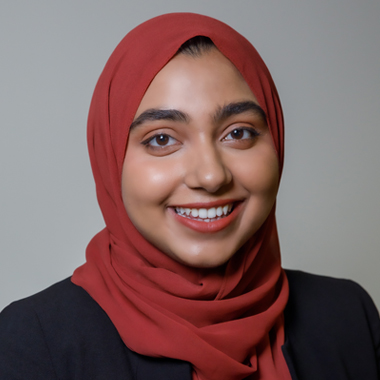
“The UTSW MSTP has given me immense opportunities to be completely confident in my skills as a physician and a scientist. I am surrounded by passionate and supportive people throughout the program.”
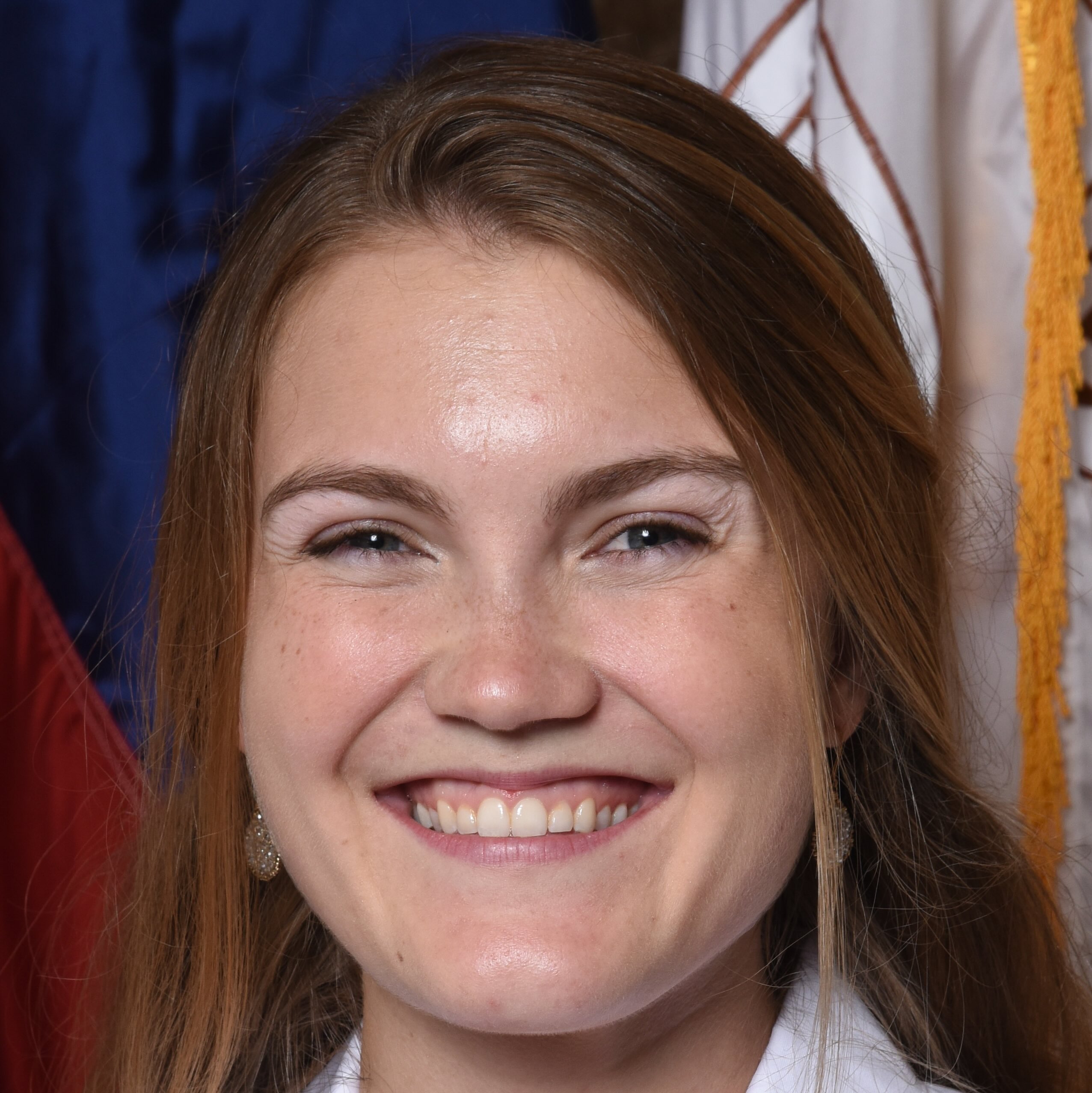
“The Medical Scientist Training Program (MSTP) at UT Southwestern offers incredible training for future physician scientists. Both clinical and research training at UTSW are unmatched, and the combination of the two creates a powerful way to pursue clinically relevant research. Not only is UT Southwestern an exciting place to learn, but the mentorship and support from faculty have been invaluable as I figure out my path to becoming a physician-scientist. The unique combination of clinical medicine and basic science research puts physician-scientists in a unique position to make clinically relevant scientific advances that move medicine forward. Though the training path is long, I can’t imagine a better goal to work towards. The MSTP at UT Southwestern is perfect for students who want excellent training in a rigorous yet supportive environment.”
Contact Us
Perot Family Scholars Medical Scientist Training Program
UT Southwestern Medical Center
5323 Harry Hines Blvd.
Dallas, TX 75390-9033

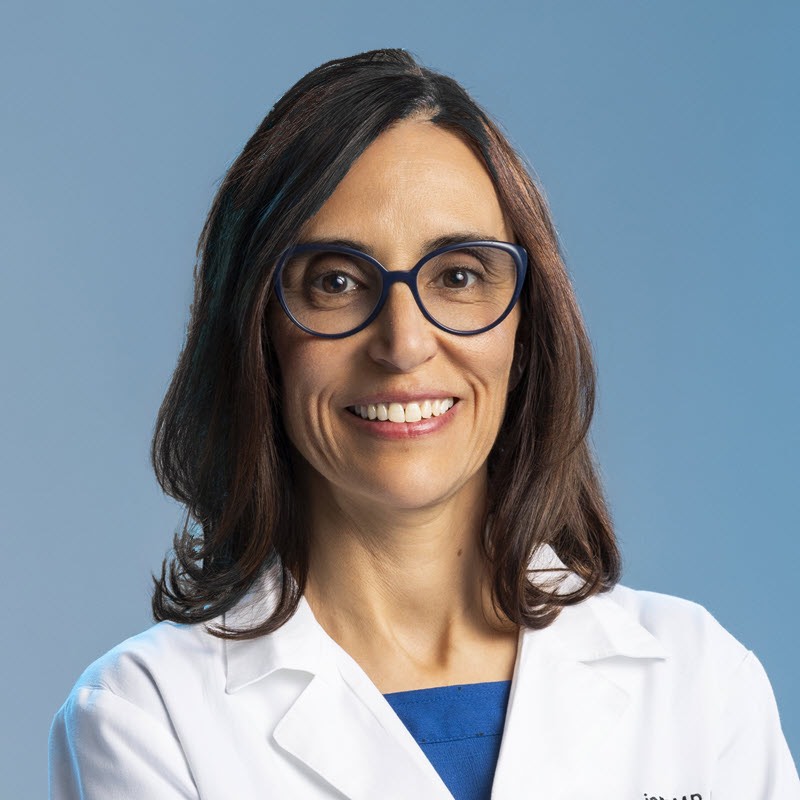
Denise Marciano, M.D., Ph.D.
Director
Associate Professor, Nephrology
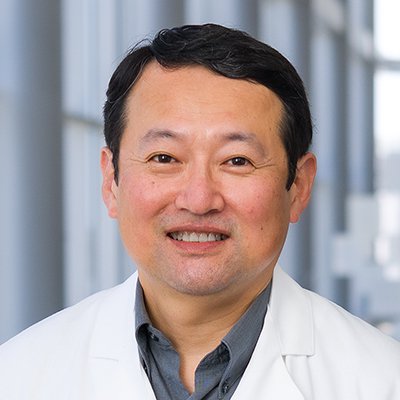
James Kim, M.D., Ph.D.
Assistant Director
Associate Professor, Hematology and Oncology
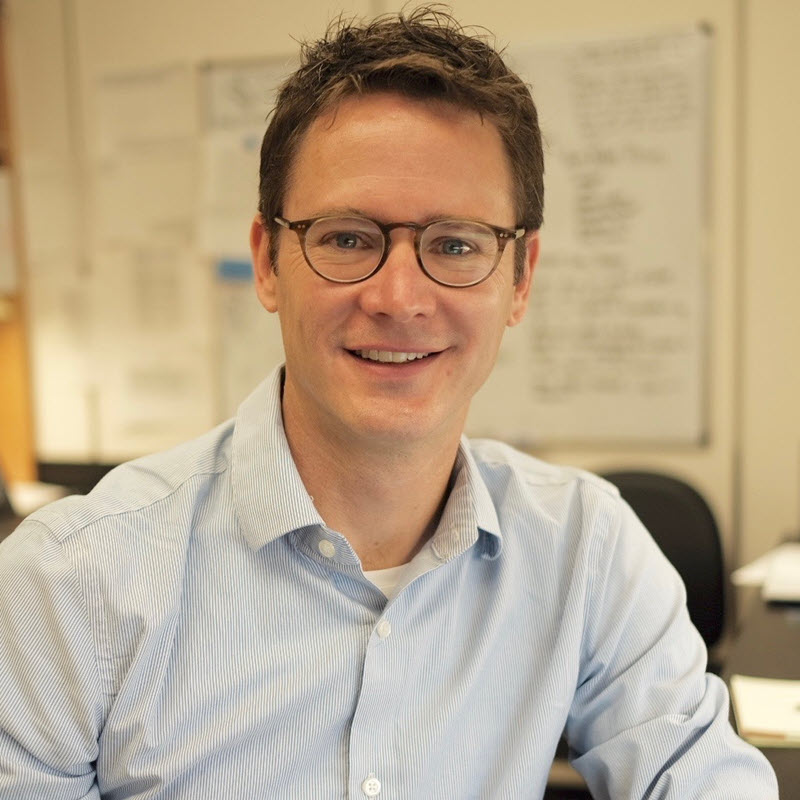
David McFadden, M.D., Ph.D.
Assistant Director
Associate Professor, Endocrinology