
MSTP Curriculum
CURRICULUM
Integrated Training for Physician–Scientists
The Perot Family Scholars MSTP curriculum integrates rigorous biomedical research training with outstanding clinical education. Program structure is designed to support seamless transitions between research and clinical years, provide a strong physician-scientist network and prepare trainees for independent scientific careers.
TRAINING OVERVIEW
Program Structure:
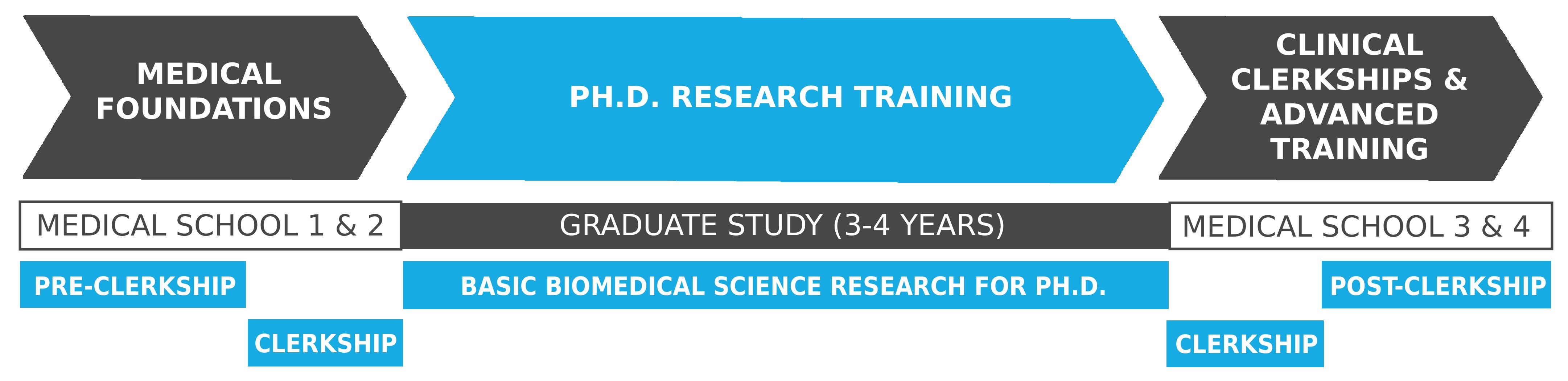
YEARS 1–2: FOUNDATIONS IN MEDICINE & SCIENCE
Purpose: Establish a strong clinical foundation while launching scientific identity and mentorship
Medical Foundations
- Integrated preclinical medical curriculum
- Early clinical exposure to clinical medicine and patient care
- Small group learning within Colleges mentoring communities
Research Immersion
- Summer laboratory rotations across UT Southwestern
- Structured guidance to support informed laboratory selection
- Weekly MSTP works-in-progress talks by research faculty to introduce students to research areas and PIs
Professional Development
- Individualized mentorship from MSTP leadership
- Structured exploration of physician–scientist career paths
- MSTP community events fostering cohort cohesion
- Monthly engagement with physician–scientist mentoring communities (MSTP Firms)
PH.D. TRAINING: DISCOVERY & INDEPENDENCE
Purpose: Develop scientific depth, independence, and scholarly impact
Research Training
- PhD training across diverse UT Southwestern laboratories
- Access to world class faculty spanning basic, translational, and clinical research
- Emphasis on hypothesis-driven, rigorous, impactful science
- Strong expectation of scholarly productivity and scientific leadership
Structured MSTP Support
- Regular progress reviews with MSTP leadership and thesis committees
- Dedicated grant writing and fellowship preparation
- Career development workshops focused on independent investigator pathways
- Structured re-entry curriculum before beginning MS3
Clinical Opportunities and Continuity
- Ongoing engagement with clinical mentors throughout research years
- Ongoing student volunteering opportunities
- Structured re entry curriculum prior to MS3
CLINICAL CLERKSHIPS
Purpose: Develop excellence in clinical medicine while sustaining scientific perspective
Clinical Training Sites
- Parkland Memorial Hospital
- Clements University Hospital
- Dallas VA Medical Center
What Sets UTSW Apart
- Exceptional patient diversity and disease complexity
- Strong exposure to academically oriented subspecialties
- Integration with leading physician–scientist faculty