
Davon Breedlove Profile
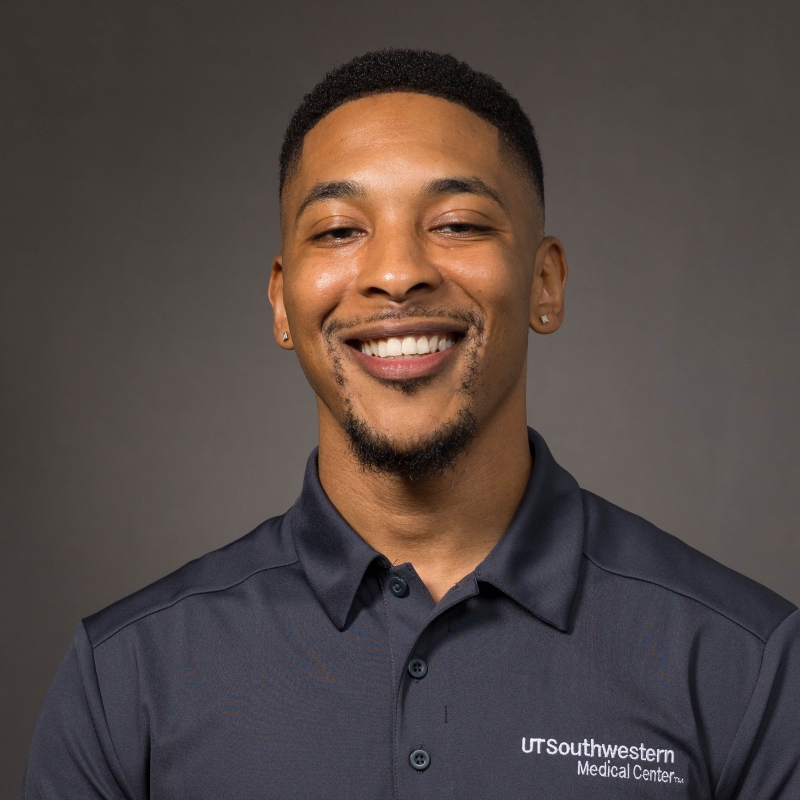
Davon Breedlove
Clinical Psychology Ph.D. Program
Research Topic: From Parental Trauma to Parenting Stress: Family Mechanisms in Pediatric Functional Neurological Disorder
Mentor(s): Beatriz MacDonald-Wer, Ph.D., and Alison Wilkinson-Smith, Ph.D., ABPP
Undergraduate Degree: BS in Psychology
Undergraduate Institution: Tennessee State University
Hometown: Nashville, TN
Awards: American Psychological Association (APA) Child and Family Caucus Student Scholarship Award (2026), APA Division 33's Diversity, Equity, and Inclusion Award (2026), Drs. Maurice and Claire Korman Memorial Fund Travel Scholarship (2026), Graduate Student Organization Leadership Merit Award (2026), American Academy of Clinical Neuropsychology (AACN) Graduate School Application Scholarship (2022), Jerry LeVias and Janice McKinney Psychology Training Program Selection (2022), Capella University’s Master’s Scholarship for Academic Excellence (2020)
How did you become interested in science and/or research specifically?
My interest in science began at home. My brother and I grew up in the same house, yet people experienced us differently: I was seen as outgoing, while he was seen as reserved. I noticed those impressions shaped how we were treated, and I wanted to understand what was happening beneath behavior. That curiosity became a research question in inpatient psychiatry, where I watched patients cycle through treatment and readmission. I realized symptoms alone couldn't explain outcomes. A neuropsychologist later welcomed a question I asked from my cultural perspective, showing me my lens was an asset. Today, my work on misdiagnosis, autism, and functional neurological disorder in Black and Brown youth still asks the same question: who gets seen accurately, and who gets misunderstood?
Tell us about your research project and its relevance to human health.
My dissertation examines how intergenerational trauma and child emotional distress shape family functioning in pediatric functional neurological disorder (FND), a condition in which children experience real neurological symptoms, such as seizures or weakness, caused by changes in how the brain functions rather than by structural damage. My findings show that caregiver burden is driven by family and emotional context rather than by the severity of the neurological symptoms themselves. This matters because FND is frequently seen in pediatric neurology yet widely misunderstood, often leaving families feeling dismissed. These results point toward family-centered, trauma-informed care that supports the whole family, not just the symptom.
Why did you choose to come to UT Southwestern for graduate school?
I chose UTSW because its child neuropsychology specialization sits within an academic medical center. After watching patients cycle through hospital treatment without answers, I wanted training where brain-behavior science and patient care happen side by side. Training placements like the Center for Autism Care at Children's Health gave me hands-on experience with complex pediatric presentations where neurology, psychiatry, and development intersect. Today, that training carries into my pediatric neuropsychology internship at Children's Health and my research on functional neurological disorder.
In your opinion, what makes your specific program one of the top in the country?
UT Southwestern trains psychologists where medicine happens. Within an academic medical center, students work with diverse psychiatric, neurological, and medical populations at sites like Parkland Hospital and Children's Health, alongside interdisciplinary teams. This environment produces clinicians who are ready for complex cases and researchers who ask clinically meaningful questions.
What do you love about your program or why should a prospective student decide to get their Ph.D. here?
What I love most is that this program invests in people, not just products. My mentors helped me turn my questions about culture and context into first-author research, national presentations, and a dissertation I care deeply about. You'll be challenged clinically and intellectually, but you won't be doing it alone. If you want rigorous training in a place where your perspective strengthens the work, and where you'll be prepared to serve patients who are too often misunderstood, UTSW is the place to let your talents flourish.